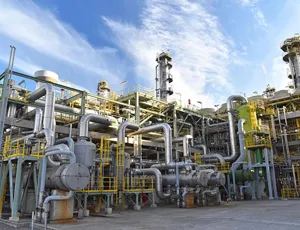
Biological active pharmaceutical ingredients and pharmaceutical manufacturing are strategic industries vital to people's livelihoods, encompassing the entire process from bio-fermentation and chemical synthesis to aseptic preparation production. They have extremely stringent requirements for sterility, biosafety, and GMP compliance. The production process involves special media such as active biological materials, highly active APIs, acid and alkali cleaning agents, and organic solvents, combined with complex operating conditions including repeated CIP/SIP sterilization, alternating vacuum and positive pressure, and highly clean aseptic environments, demanding extremely high sealing performance.
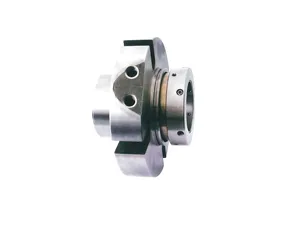
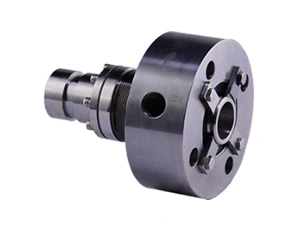
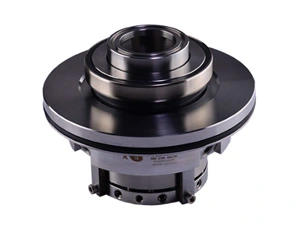
Traditional seals are inherently limited by contact wear, numerous unsanitary areas, poor sterilization resistance, and susceptibility to contaminant release, frequently resulting in leakage and failure. This not only causes huge losses due to the scrapping of entire batches of products but also poses risks of bacterial contamination, cross-contamination, and biosafety, failing to meet the control requirements of major global pharmaceutical quality systems such as GMP and FDA. Ferrofluid Seal (Magnetic Fluid Seal), with their core characteristics of non-contact zero wear, absolute zero leakage, no unsanitary areas, and resistance to repeated sterilization, systematically solve the sealing pain points of the pharmaceutical industry, making them the optimal sealing solution for aseptic production scenarios.
Sealing Challenges
1. Rigorous Constraints of Aseptic Compliance and Biosafety
Wear particles generated by traditional sealed operation can directly contaminate pharmaceuticals. Sealed gaps can easily trap materials and breed microorganisms. Leakage of active materials can cause significant biosafety risks, and the leaching from the seals does not meet pharmacopoeia compliance requirements.
2. Material Compatibility Challenges with Complex Media and Repeated Sterilization
Acidic and alkaline cleaning agents and organic solvents can easily cause swelling, corrosion, and aging of traditional sealing materials. Repeated high-temperature and damp-heat shocks at 121°C during CIP/SIP processes can easily lead to permanent deformation of seals and rapid loss of sealing capability.
3. Loss of Cleanliness and Stability Under Alternating Operating Conditions
Fermentation and reaction equipment frequently switch between vacuum and positive pressure conditions, accompanied by axial eccentricity and radial runout. Traditional seals are prone to liquid film instability and pressure imbalance, and their structure contains cleaning dead zones, failing to meet the hygiene requirements of the entire CIP/SIP process.
4. The Cost Dilemma of Continuous Production and Compliance Control
Unplanned shutdowns can lead to the scrapping of entire batches of materials. Traditional seals have short lifespans, and frequent replacements require production stoppages and the re-implementation of cleaning and process validations. Compliance procedures are cumbersome and extremely costly. Furthermore, the accompanying flushing system can dilute materials and reduce product yield.
Solutions
1. Pharmaceutical-grade sterile material system, fundamentally meeting compliance requirements
Customized pharmaceutical-grade perfluoropolyether-based magnetic fluid conforming to pharmacopoeia standards, exhibiting excellent biocompatibility, no precipitation, no dissolution, and no reaction with any pharmaceutical media. It can withstand repeated high-temperature sterilization and forms a stable sterile sealed liquid ring under strong magnetic field confinement, completely isolating the internal and external environments of the equipment.
The non-contact design eliminates mechanical wear, achieving a continuous operating life of 2-3 years under normal conditions. It eliminates the need for frequent seal replacements, significantly reducing compliance costs associated with cleaning validation and process validation, as well as production losses from downtime.
3. Anti-contamination and anti-biofilm protection system–suitable for fermentation and solids-containing conditions
For bio-fermentation and API crystallization processes involving solids, a pre-protection system is constructed to prevent solid particles from entering the main sealing cavity, addressing the industry pain points of traditional seals such as material accumulation, biofilm growth, and product contamination.
① Bio-fermentation
Bio-fermentation is mainly used in the biosynthesis of active pharmaceutical ingredients (APIs) and intermediates. It is a core process unit in the production of biopharmaceuticals and some chemical drugs, including antibiotics, vitamins, amino acids, steroid hormones, insulin, interferon, enzyme preparations, and polysaccharide drugs. It spans the entire process from strain cultivation, fermenter reaction, metabolite synthesis, to subsequent fermentation broth pretreatment, extraction, and purification. The aeration and stirring, aseptic cultivation, and efficient product synthesis stages in large fermenters are particularly critical, directly determining the yield, purity, and cost of the API.
Bio-fermentation processes generally require strict aseptic conditions, long-term continuous operation, gentle stirring conditions, no leakage or pollution, and low friction and low heat generation. Ferrofluid seals (magnetic fluid seals) are non-contact seals that can achieve near-zero leakage, preventing external microbial contamination and leakage of materials from the tank, ensuring the aseptic nature of the fermentation system and the purity of the product. At the same time, there is no mechanical friction and wear, no abrasive debris or impurities are generated, the power consumption is low, the temperature rise is small, it will not affect the fermentation temperature and cell activity, and the service life is long and the maintenance is low. It can adapt to the needs of fermenters for long-term continuous operation, so it is very suitable for the working conditions and quality requirements of bio-fermentation.
② Drying and Crystallization
Biopharmaceutical drying and crystallization equipment is primarily used in processes such as vacuum crystallization, low-temperature crystallization, vacuum rake drying, double cone rotary drying, filtration and washing drying for bio-fermentation products, peptides, proteins, antibiotics, and sterile APIs. These processes typically involve high vacuum, low/medium temperature, clean and sterile environments, dust generation, solvent vapor content, and high explosion-proof requirements. Therefore, the core requirements for ferrofluid seals (magnetic fluid seals) are as follows: zero leakage under high vacuum, no mechanical wear or abrasive debris generation, no lubricant contamination, resistance to cleaning and sterilization in clean areas, stable operation without temperature rise, and long-term maintenance-free operation. It must ensure stable vacuum levels to meet crystallization and drying efficiency while strictly preventing powder leakage and external dust and microbial intrusion that could contaminate the product. Simultaneously, it must avoid the particulate matter generated by traditional seals that could affect drug purity. Magnetic fluid seals, relying on their non-contact structure, zero-leakage characteristics, and cleanliness adaptability, perfectly match the dual requirements of GMP clean production and vacuum sealing. They are a key sealing method to ensure the safe, compliant, and stable operation of biopharmaceutical drying and crystallization equipment.
 English
  français
  Español
  العربية
  русский