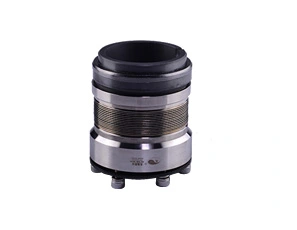
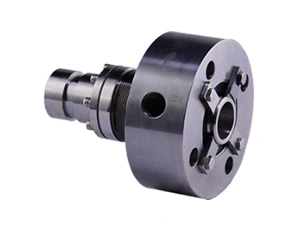
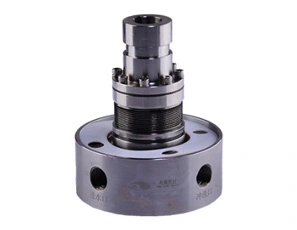
Selecting the right metal bellows mechanical seal for your application involves considering several key factors to ensure optimal performance, reliability, and longevity. As a leading metal bellows seal manufacturer, we’ve outlined key selection criteria to help you make the best decision for your application.
1. Understand the Application Requirements
Temperature: Assess the minimum and maximum operating temperatures that the metal mechanical seal will be exposed to. Metal bellows seals can handle extreme temperatures, but the specific materials used can vary in their temperature tolerance.
Pressure: Determine the pressure range within the system. Metal bellows seals are excellent for high-pressure applications, but the pressure ratings can differ based on the design and material.
Shaft Speed: High rotational speeds may require seals with specific design features to minimize friction and wear.
Media: Identify the fluid or gas the metal mechanical seal will be exposed to. The chemical compatibility of the bellows material with the process media is crucial to avoid corrosion and degradation.
2. Select the Appropriate Bellows Material
Stainless Steel: Commonly used for general applications, offering good corrosion resistance and mechanical properties.
Alloy C-276 (Hastelloy), Alloy 400 (Monel), and others: Selected for more corrosive environments. Each material offers different levels of corrosion resistance and strength.
Consider Coatings or Treatments: In extremely harsh environments, surface treatments or coatings might be necessary to enhance corrosion resistance or mechanical strength.
3. Design and Configuration
Welded vs. Formed Bellows: Edge welded vacuum bellows generally provide higher flexibility and are suitable for high-pressure applications, whereas formed bellows might be used in less demanding environments.
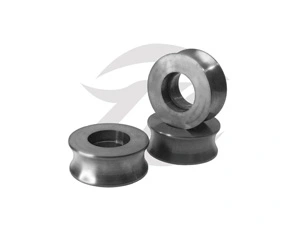
Face Materials: Choose appropriate materials for the seal faces based on the operating conditions and media. Common materials include silicon carbide, tungsten carbide, and ceramic.
Configuration: Decide between single or double bellows designs. Double bellows designs offer redundancy and are suitable for applications where zero leakage is critical.
4. Consider Operational Dynamics
Vibration and Misalignment: Ensure the metal mechanical seal design can accommodate any expected misalignment, vibration, or other dynamic forces. Metal bellows seals are inherently good at handling such conditions but confirming suitability is essential.
End Play and Axial Movement: Verify that the metal mechanical seal can tolerate the expected range of axial movement without failure.
5. Installation and Maintenance
Ease of Installation: Consider the complexity of installing metal bellows seals. Some designs are easier to install and require less downtime.
Maintenance Requirements: Understand the maintenance needs and the ease of repair or replacement. Metal bellows seals typically require less maintenance, but it’s important to consider accessibility and the availability of spare parts.
6. Compliance and Standards
Ensure that the metal mechanical seal meets any relevant industry standards or regulatory requirements, especially in industries like pharmaceuticals, food processing, or oil and gas.
7. Consult with Experts
By carefully considering these factors, you can choose a metal bellows seal that not only meets the technical requirements of your application but also offers durability, efficiency, and reliability in operation. Ensure leak-free operations with our premium mechanical seal wholesale inventory.
 English
  français
  Español
  العربية
  русский