Industry Overview
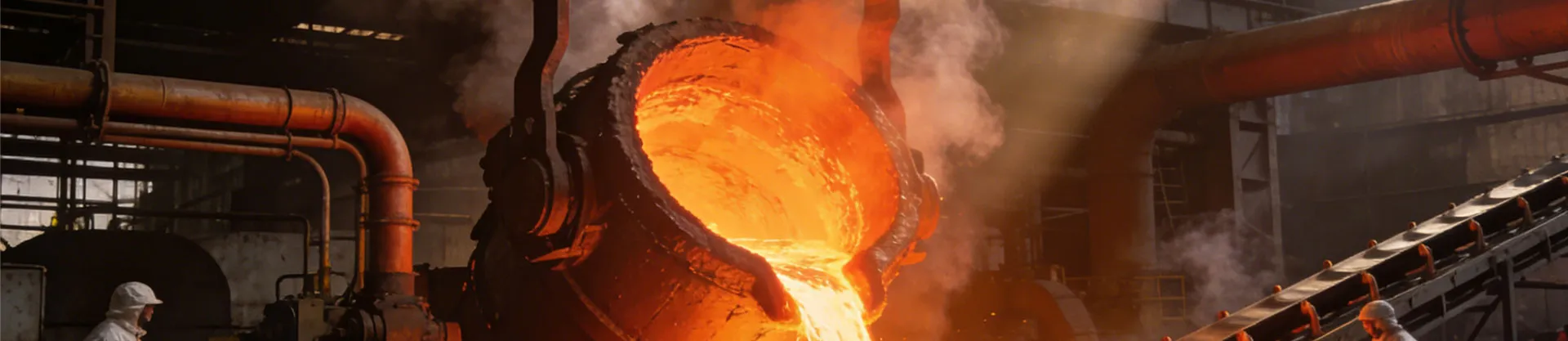
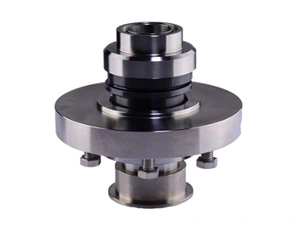
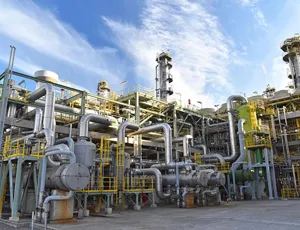
The non-ferrous metals industry encompasses the entire process of smelting, electrolysis, refining, and processing of metals such as copper, aluminum, zinc, and nickel. Production conditions involve extreme environments such as high-temperature melting, high-dust fumes, high-speed rotation, and vacuum refining, and involve media such as strong acids, strong alkalis, molten metals, and dusty fumes. This imposes extremely stringent requirements on seals in terms of temperature resistance, corrosion resistance, dust resistance, and zero leakage. Traditional seals are prone to wear, corrosion, and frequent leaks, leading to increased energy consumption, material waste, environmental violations, and equipment damage, making them unsuitable for the large-scale, green production needs of the non-ferrous metals industry. Ferrofluid seals (magnetic fluid seals), with their core characteristics of non-contact, zero wear, zero leakage, resistance to extreme conditions, and pollution resistance, precisely address the industry's sealing pain points from a fundamental principle, becoming the core sealing solution for high-end non-ferrous metal production equipment.
Sealing Challenges
1. Dual Erosion of High-Temperature Melting and Corrosive Media
The smelting and melting processes involve extremely high temperatures. Electrolysis and refining use strong acid electrolytes. Traditional sealing materials are prone to high-temperature aging, corrosion, and swelling. Sealing structures are susceptible to thermal deformation, resulting in extremely short lifespans and significant leakage risks.
2. High-Dust Flue Gases Cause Seal Wear and Blockage
The smelting, crushing, and screening processes involve high dust concentrations. Metal dust easily enters the traditional sealing face and spring structure, causing rapid wear, jamming, and seizing, seal failure and frequent shutdowns.
3. Insufficient Stability in Vacuum Refining and High-Speed Rotation Conditions
Metal refining requires maintaining a high vacuum environment. Centrifuges, agitators, and other equipment rotate at high speeds. Traditional seals are prone to leakage and liquid film instability, failing to maintain stable vacuum levels, affecting metal purity, and increasing the risk of vibration and seal failure under high-speed operation.
4. High Pressure to Meet Environmental Compliance and Maintain Continuous Production
The spillage of dust-laden fumes can cause heavy metal pollution and excessive VOCs, leading to strict environmental penalties; non-ferrous metal production lines are highly continuous, and unplanned shutdowns caused by seal failures can result in huge production capacity losses and increased operation and maintenance costs.
Solutions
1. High-Temperature and Corrosion-Resistant Specialized System, Resisting Dual Corrosion
The ferrofluid seal (magnetic fluid seal) utilizes specialized base carrier fluids and modified nano-magnetic particles that are resistant to high temperatures, acids, and alkalis. It exhibits extremely high chemical stability, does not react with strong acids, and is not corroded by high-temperature molten media. Its temperature resistance range is suitable for the high-temperature conditions of non-ferrous metal smelting. Combined with a corrosion-resistant special metal pole tooth structure, it eliminates seal failure caused by corrosion and high-temperature aging from both material and structural levels..
2. Dust-resistant and Anti-clogging Design, Eliminating Wear Risks
The ferrofluid seal (magnetic fluid seal) relies on a magnetic field to firmly confine the magnetic liquid within the sealing gap, forming a dense liquid sealing ring. The non-contact, frictionless structure eliminates mechanical wear and contains no components prone to clogging, such as springs. Combined with a pre-mounted spiral dust barrier and inert gas curtain isolation, it actively prevents metal-containing dust from entering the sealing area. Even if trace amounts of dust intrude, they are entrained and suspended by the magnetic liquid, preventing scratches on the shaft and pole shoes. This fundamentally solves the problems of dust wear and jamming.
3. Multi-stage Pole Tooth Vacuum Structure, Adaptable to High-speed Vacuum Conditions
The ferrofluid seal (magnetic fluid seal) employs a multi-stage differential pole tooth design, forming multiple independent liquid sealing barriers. The vacuum leakage rate is extremely low, stably maintaining the high vacuum environment required for metal refining and improving the purity of non-ferrous metal products. Optimized magnetic liquid viscosity and magnetization, combined with a low-loss magnetic pole structure, make it suitable for high-speed rotating equipment, ensuring vibration-free operation and no performance degradation, guaranteeing sealing stability under high-speed vacuum conditions.
4. Absolute Zero Leakage + Long Lifespan, Suitable for Green Continuous Production
The ferrofluid seal (magnetic fluid seal) features no contact wear and no leakage channels, achieving long-term absolute zero leakage. This effectively prevents the leakage of dust-laden fumes, meeting the environmental compliance requirements of the non-ferrous metal industry. With no easily damaged mechanical parts, its service life under normal operating conditions can reach 3-5 years or more, far exceeding traditional seals. It eliminates the need for complex flushing and lubrication systems, requires no daily maintenance, significantly reduces unplanned downtime, ensures high-load continuous operation of the production line, and lowers maintenance costs.
① Core Application Scenarios
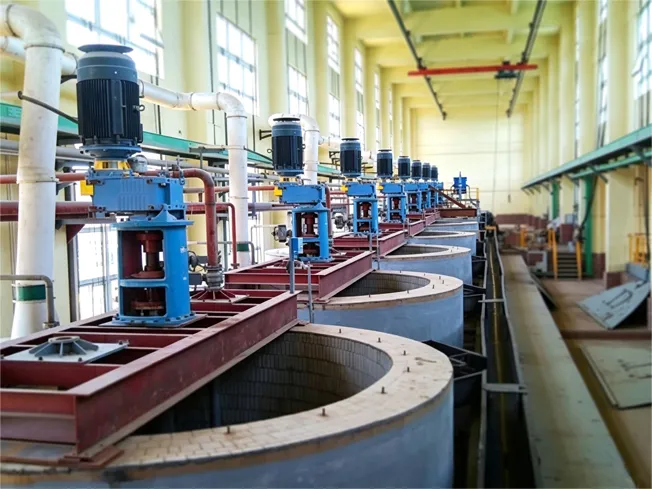
Application scenarios: Primarily used in key sealing areas—such as rotating shafts, agitators, pumps, valves and transmission equipment—of core equipment including extraction tanks, electrolytic cells, agitators and reactors in hydrometallurgical processes; smelting furnaces, rotary kilns and flue gas purification equipment in pyrometallurgical processes; non-ferrous metal rolling, extrusion and drawing machinery; and rare and precious metal purification and rare earth smelting equipment. Key Pain Points:
•Hydrometallurgy: Long-term contact with highly corrosive media such as sulfuric acid, hydrochloric acid, and strong alkalis, containing high concentrations of heavy metal ions, makes traditional seals prone to corrosion, wear, and leakage, resulting in electrolyte loss, heavy metal pollution, and exceeding environmental standards.
•Pyrometallurgy: High-temperature, high-dust, and highly corrosive flue gas conditions make traditional seals susceptible to high-temperature aging and dust wear, leading to flue gas leakage, exceeding environmental standards, and extremely difficult maintenance under high-temperature conditions.
•Rolling Processing: Heavy-load, high-speed, emulsion, and cooling water conditions make traditional seals prone to wear and leakage, causing lubricating oil to enter the emulsion, resulting in oil contamination, product surface defects, and cooling water entering the equipment, leading to bearing damage.
•Harsh Operating Conditions: High dust, high corrosion, and alternating high and low temperatures result in extremely short service life for traditional seals, requiring frequent shutdowns for replacement and maintenance, leading to significant losses from unplanned shutdowns.
•Extremely Strict Environmental Controls: Leaks of heavy metals, flue gas, and wastewater can trigger severe penalties, placing extremely high demands on zero-leakage seals and long-term stable operation.
② Product Highlights
•Strong Corrosion and Wear Resistance: Customized magnetic liquid formula and sealing structure for harsh working conditions in the non-ferrous metals industry, it can withstand strong acids and alkalis, heavy metal electrolytes, and corrosive fumes for extended periods. The dustproof and wear-resistant design also protects against high dust conditions, solving the pain points of traditional seals being prone to corrosion and rapid wear failure.
•Wide Temperature Range and High Stability: With a temperature range of -60℃ to 650℃, it is suitable for various working conditions, including high-temperature pyrometallurgical processes, normal-temperature hydrometallurgical processes, and low-temperature cooling of processing equipment. Sealing performance remains undiminished and unaged at high temperatures.
•Zero Leakage and Environmental Compliance: Achieves absolute zero leakage, completely eliminating electrolyte leakage, fugitive emissions of flue gas, and lubricant leakage. It fully meets national environmental requirements for heavy metal pollution control and flue gas emission management, avoiding environmental penalties.
•Long-Term Maintenance-Free: The flexible contact sealing structure features zero friction and zero wear. Combined with dustproof and corrosion-resistant design, its service life exceeds that of traditional seals by more than three times under harsh conditions of high dust and strong corrosion, significantly reducing downtime and maintenance costs.
•Heavy-duty and High-speed Adaptability: Adaptable to heavy-duty and high-speed rotational conditions in non-ferrous rolling and extrusion equipment, ensuring stable sealing performance, no leakage, and no wear, guaranteeing continuous and stable operation of processing equipment and improving product yield;
•Intelligent Safety Protection: Can be equipped with online monitoring and leakage alarm modules to monitor the sealing operation status in real time, providing immediate warnings of abnormalities and reducing the risk of equipment failure;
•Significant Cost Reduction and Efficiency Improvement: Significantly reduces the cost of purchasing and replacing seals and equipment maintenance, while eliminating losses caused by material leakage, environmental penalties, and equipment damage. Long-term operation can reduce enterprises' overall sealing-related costs by more than 30%;
•Full-scenario Customization: Customized sealing solutions can be tailored to different smelting and processing technologies, operating conditions, and equipment specifications of non-ferrous enterprises, adapting to applications ranging from small-scale mineral processing equipment to large-scale smelting units with capacities of 100,000 tons.
Customer Application Cases
Jinchuan Group Copper Precious Metals Project:
 English
  français
  Español
  العربية
  русский