Industry Overview
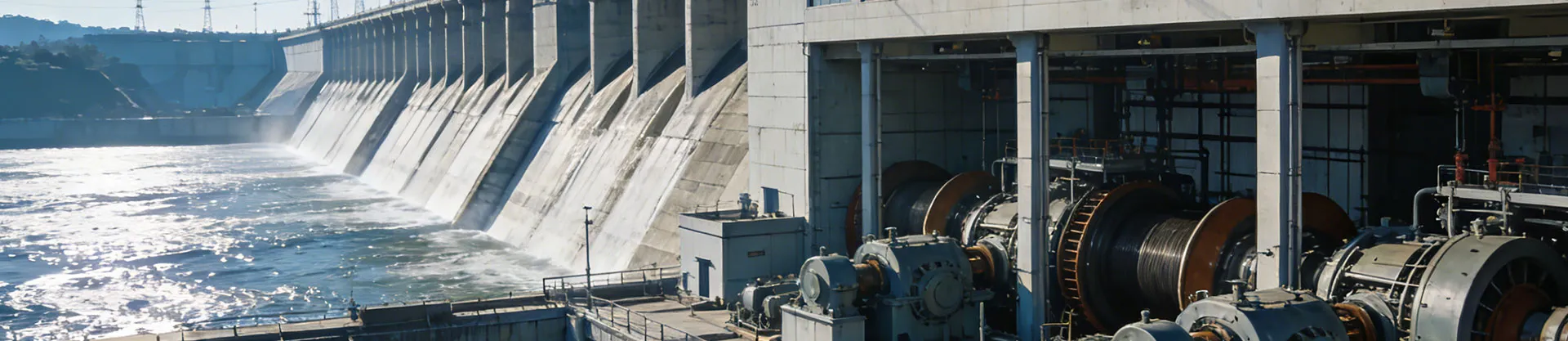
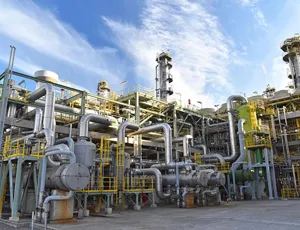
The energy and power industry encompasses thermal power, hydropower, wind power, nuclear power, energy storage, and supporting transmission and transformation equipment. Operating conditions include high-temperature, high-pressure steam, high-speed rotation, and underwater environments such as water turbines, placing extremely high demands on seals for long lifespan, high reliability, zero leakage, and vibration resistance. Traditional seals are prone to wear, leakage, and frequent maintenance, and are susceptible to failure under high-speed and high-temperature conditions, impacting unit efficiency and posing risks such as media leakage, equipment burnout, and unplanned downtime. Ferrofluid seals (magnetic fluid seals), with their core advantages of non-contact zero wear, absolute zero leakage, vibration resistance, and long lifespan, fundamentally address the industry's sealing pain points, becoming the preferred sealing solution for high-end energy and power equipment.
Sealing Challenges
1. High-Temperature and High-Pressure Steam and Media Corrosion Issues:
Steam turbines, generators, pumps, and valves in thermal power plants operate under high-temperature and high-pressure steam environments for extended periods. The media contains acids, alkalis, and oil contaminants, easily causing traditional seals to fail, leading to steam leaks, oil seepage, and reduced unit efficiency.
2. Severe Wear and Temperature Rise under High-Speed Rotation Conditions:
Steam turbine generator sets and fans operate at high speeds. Traditional contact seals are prone to frictional wear and overheating, resulting in seal failure and journal damage, threatening the safe and stable operation of the unit.
3. Seal Failure in Underwater and Humid Environments for Hydroturbines:
Hydropower turbine main shafts operate underwater or in humid environments for extended periods. Traditional seals are prone to leakage and sediment intrusion, causing bearing wear, seal aging, and increased maintenance difficulty and downtime costs.
4. Long-Term Continuous Operation and High Maintenance Costs:
Power generation units require continuous high-load operation year-round. Traditional seals have short lifespans and require periodic shutdowns for maintenance, affecting power supply reliability and incurring high maintenance and spare parts costs.
Solutions
1. High-Temperature and Corrosion-Resistant Specialized Formula, Suitable for High-Temperature and High-Pressure Conditions
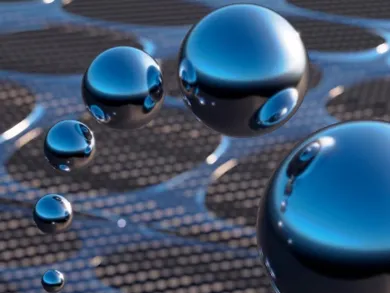
The ferrofluid seal (magnetic fluid seal) uses a special base magnetic liquid that is resistant to high temperatures, steam, and acid and alkali corrosion. It exhibits strong chemical stability and can operate stably in high-temperature steam and corrosive media, achieving stable sealing under high-temperature and high-pressure environments.
2. Non-Contact and Wear-Free Structure, Ensuring Stable Operation of High-Speed Units
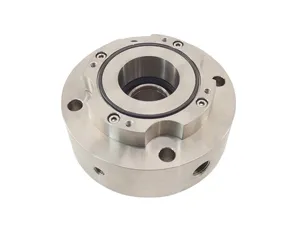
The ferrofluid seal (magnetic fluid seal)relies on a magnetic field to form a multi-stage liquid sealing ring. It is frictionless and wear-free, suitable for long-term stable operation of high-speed rotating units; it has low operating vibration and no jamming, effectively protecting the main shaft and bearings, and significantly enhancing the unit's operational safety.
3. Long-Life, Zero-Leakage Design, Meeting Long-Term Continuous Operation Needs
The magnetic fluid seal has no easily damaged mechanical parts, far superior to traditional seals, reducing leaks and drips, and improving unit efficiency; it requires no frequent maintenance, significantly reducing downtime for maintenance and operating costs, and ensuring a continuous and stable power supply.
① Hydropower
Ferrofluid seals (magnetic fluid seals) are primarily used for oil mist isolation at the end of the hydroturbine main shaft and in the upper guide bearing. The core objectives are to achieve zero leakage, no wear, and long service life, making them particularly suitable for complex hydraulic conditions with high water pressure and sediment content.
Core Application Scenarios and Principles:
Main Shaft Seal: Addresses the dynamic seal between the turbine main shaft and casing, solving the problems of leakage under high water pressure and rapid wear of traditional seals. The permanent magnet and magnetic conductor create a magnetic field gradient in the gap, firmly attracting the magnetic fluid into an "O-ring," blocking high-pressure water and sediment.
Upper Guide Bearing Oil Mist Seal: Isolates oil mist on the generator side, preventing leakage to the motor insulation system and causing aging or electromagnetic interference. Suitable for large hydropower units.
Advantages and Applicable Operating Conditions:
Core Advantages: No rigid contact, self-healing, zero leakage, low maintenance, suitable for sandy water and a wide speed range.
Applicable Units: Through-flow, mixed-flow, and impulse turbines, especially suitable for high-head, full-load operating units.
② Wind Power
The core value of ferrofluid seals (magnetic fluid seals) in wind power lies in their contactless, zero-leakage, long lifespan, and low maintenance. They are perfectly suited for the high speeds, variable operating conditions, and extreme outdoor environments of wind turbines. They are primarily used for dustproofing, waterproofing, oil mist prevention, and leak prevention in rotating parts such as gearboxes, main shafts, slip rings, and generators.
1. Gearbox High-Speed Shaft Seal (Most Mainstream Application)
Location: High-speed output shaft (connected to generator), low-speed input shaft (connected to main shaft).
Pain Points: Traditional mechanical seals/labyrinth seals are prone to oil leakage and dust ingress, leading to gear wear, increased oil temperature, and downtime for maintenance.
Solution: Magnetic fluid + labyrinth seal combination, zero leakage, dust and sand prevention, low friction.
2. Main Shaft Seal (Yaw/Pitch/Impeller Main Shaft)
Location: Dynamic sealing surfaces between the impeller main shaft and the nacelle, yaw bearing, and pitch bearing.
Pain Points: Outdoor wind, sand, rain, and salt spray intrusion, leading to grease loss, bearing seizure, and corrosion.
Solution 1: Multi-pole ferrofluid seal (magnetic fluid seal), forming a liquid barrier to prevent solid/liquid/gas intrusion; suitable for large-diameter, low-speed, and high-vibration operating conditions.
3. Wind turbine slip ring seal (electrical/signal rotational transmission)
Location: Nacelle–impeller slip ring (transmitting pitch control electricity and signals).
Pain points: Dust and moisture ingress leading to poor contact, signal interruption, and short circuits.
Solution: ferrofluid seal (magnetic fluid seal) + static seal (O-ring + gasket) + labyrinth, providing three-dimensional protection and positive pressure isolation.
4. Generator bearing and end cover seal
Location: Front and rear generator bearings, shaft end cover, isolating oil mist, moisture, and dust.
Pain points: Oil mist leakage contaminates insulation, moisture causes winding aging, and dust wears bearings.
Solution: Axial multi-pole ferrofluid seal (magnetic fluid seal), zero oil mist leakage, extended insulation life.
Customer Application Cases
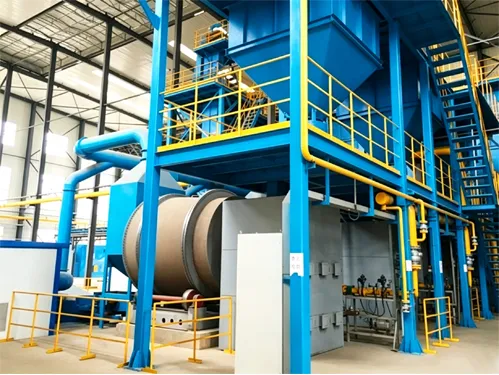
Huaneng Power Thermal Power Projects | 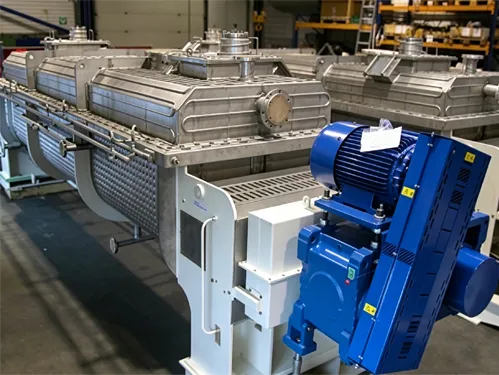
GD Power Thermal Power Projects |
 English
  français
  Español
  العربية
  русский