When learning how to install mechanical seals, precision and technique are everything. Many engineers search for reliable guidance on how to install mechanical seals because improper installation can lead to leaks, equipment damage, and costly downtime. The more you practice how to install mechanical seals, the faster and more confidently you’ll work.
Installing mechanical seals correctly is crucial for ensuring their optimal performance and longevity. Knowing how to install mechanical seals is not just a skill — it’s a critical part of ensuring equipment reliability and performance. Here’s a step-by-step guide on how to install mechanical seals in rotating equipment like pumps:
Preparation for Mechanical Seal Installation
Before diving into any mechanical seal installation, it's important to establish a solid groundwork. A methodical approach to mechanical seal installation will lead to effective sealing and reduced maintenance costs.
Cleanliness: Ensure all parts of the pump and the seal are clean before assembly. Any dirt or grit can damage the seal faces. Understanding how to install mechanical seals starts with maintaining a clean workspace.
Inspection: Examine all components for any damage or defects. Check the seal faces for scratches or chips. Proper inspection is a key step in how to install mechanical seals effectively.
Component Compatibility: Verify that the seal type and materials are suitable for the fluid, pressure, temperature, and application. Using compatible materials ensures optimal performance of the mechanical seal installation.
Preparation for mechanical seal installation is crucial for achieving optimal results. Thorough preparation for mechanical seal installation will pay off in the long run, ensuring reliable performance and reducing downtime.
Mechanical Seal Installation: Step-by-Step Guide
Are you eager to learn how to install mechanical seals? We’ll discuss the best practices on how to install mechanical seals for optimal performance. Let us help you with the step-by-step process of how to install mechanical seals for your project.
Disassemble the Pump: Remove the pump cover or any other components that obstruct access to the shaft where the seal will be installed.
Remove Old Seal: Carefully remove the old seal, if present, and clean the shaft and gland plate area where the new seal will be seated.
Install Shaft Sleeve (if applicable): Slide the shaft sleeve over the shaft to protect it and provide a smooth, consistent surface for the seal to operate.
Lubricate: Lightly lubricate the shaft or sleeve, and the O-ring or gasket of the new seal with a fluid that is compatible with the pump’s operation. This helps in easy installation and prevents damage during assembly.
Position the Seal: Slide the mechanical seal onto the shaft, ensuring it’s oriented correctly according to the manufacturer's instructions. Avoid touching the seal faces with your fingers.
Set the Seal: Position the seal at the correct depth on the shaft as specified by the manufacturer. This is crucial for the seal’s performance.
Secure the Seal: Depending on the design, this might involve tightening set screws or clamping mechanisms to hold the seal in place securely.
Reassemble the Pump: Reinstall any components that were removed, such as the pump cover. Ensure all bolts are tightened to the specified torque settings.
Alignment Check: Ensure that the pump and motor are properly aligned to prevent undue stress on the seal.
Testing: Once the pump is reassembled, perform a test run to check for leaks and monitor for abnormal noises or vibrations.
Effective mechanical seal installation is essential for maintaining the integrity of your equipment and preventing leaks. Understanding how to install mechanical seals can help ensure your machinery runs smoothly. With practice, you'll become proficient in how to install mechanical seals, making you a valuable asset to your team.
Tips for Successful Mechanical Seal Installation
Always follow the manufacturer's specific instructions for the seal and pump model.
Use appropriate tools to avoid damaging the seal components.
Ensure that the seal faces are protected from contamination throughout the process.
Handle the seal faces with care; they are very delicate and can be damaged easily.
Double-check all settings and alignments during installation.
Proper installation of mechanical seals not only prevents leaks but also extends the service life of both the seal and the pump. If unsure, it’s advisable to consult with or hire a professional experienced in installing mechanical seals.
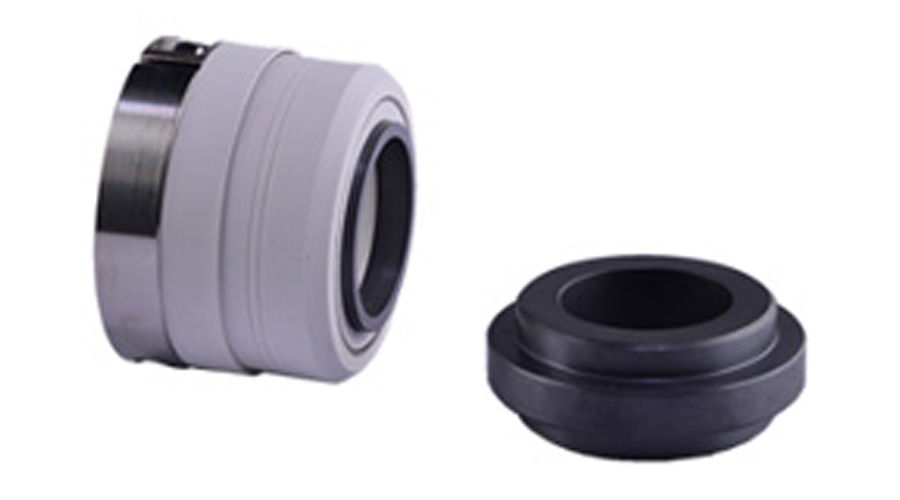
Zhaoqiang offers a wide range of high-quality seals, making it a leading provider in the mechanical seal wholesale market. Understanding the intricacies of mechanical seal installation is crucial for ensuring optimal performance. When you know how to install mechanical seals properly, you minimize the risk of premature wear and tear. Proper mechanical seal installation techniques can significantly enhance the efficiency of your pumping system. Ultimately, by learning how to install mechanical seals correctly, you invest in the longevity of your equipment and improve overall operational efficiency.
Winnie Xu
I'm Winnie Xu, serving as the Foreign Trade Manager at Zigong Zhaoqiang Sealing Products Industrial Co., Ltd. It has been six years since I entered the mechanical seal industry, and during these years, I have developed a profound passion for it.
Over the past six years, I have had the privilege of helping more than 200 clients from 30 countries resolve their sealing problems, which gives me a strong sense of accomplishment.
What's more, I'm keen on writing down the experience we've gained over the years and sharing knowledge related to the mechanical seal industry. I hope that these shared insights can be beneficial to those in need.
 English
  français
  Español
  العربية
  русский