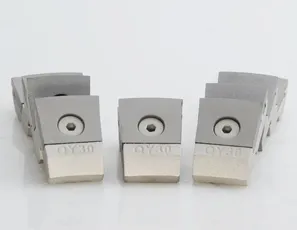
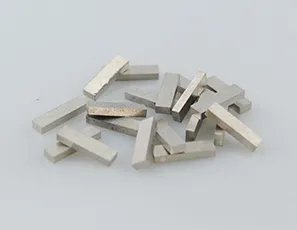
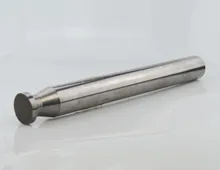
Titanium-based cermets (Ti-based cermets) are utilized across a variety of industries due to their unique combination of properties, such as high hardness, good wear resistance, excellent high-temperature stability, and corrosion resistance. Some of the key applications of Ti-based cermets include:
1. Cutting and Machining Tools
Ti-based cermets are extensively used in the manufacturing of cutting tools for machining operations. Their high hardness and wear resistance make them ideal for tools used in turning, milling, and drilling, especially for machining hard and abrasive materials. The thermal stability of cermets allows these tools to maintain their cutting edge and dimensional stability at high temperatures generated during cutting processes.
2. Aerospace Industry
The aerospace industry benefits from the use of Ti-based cermets in components that are subjected to extreme conditions such as high temperatures and corrosive environments. Examples include turbine blades, engine components, and exhaust systems. The strength-to-weight ratio of titanium cermets also helps in reducing the overall weight of aerospace structures, contributing to fuel efficiency.
3. Automotive Applications
In the automotive sector, Ti-based cermets are used in components like valves, turbocharger rotors, and exhaust parts. These materials withstand the high temperatures and corrosive gases encountered in automotive engines. Additionally, their wear resistance prolongs the lifespan of these components, enhancing vehicle reliability and performance.
4. Biomedical Devices
Due to the biocompatibility of titanium and certain ceramic materials like titanium carbide (TiC), Ti-based cermets are used in medical applications, particularly in orthopedic and dental implants. These materials are well-suited for load-bearing implants due to their mechanical properties and compatibility with human tissues.
5. Wear-Resistant Applications
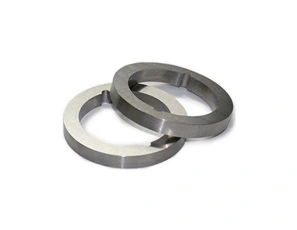
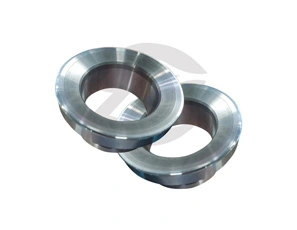
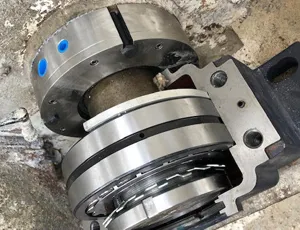
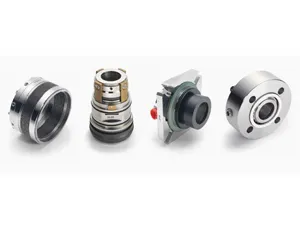
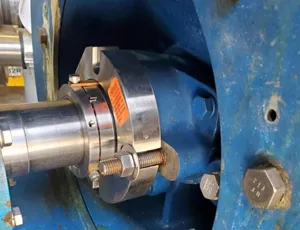
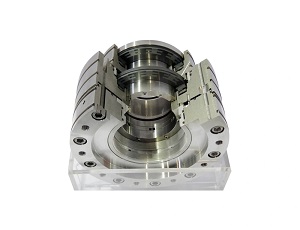
Ti-based cermets are ideal for use in wear-resistant applications where components are subjected to severe abrasion, erosion, or sliding wear. This includes industrial machinery parts such as bearings, seals, and pump components. Their ability to maintain integrity and performance under harsh operational conditions makes them valuable in prolonging equipment life and reducing maintenance costs.
6. Sports Equipment
The lightweight and strong nature of titanium cermets find applications in sports equipment where performance enhancement and durability are critical. Examples include golf club heads, bicycle frames, and racquet frames. These applications benefit from the reduced weight and increased strength provided by cermets.
7. Chemical Processing Industry
In chemical processing, components like reactors, heat exchangers, and piping systems can benefit from the corrosion resistance of Ti-based cermets. These materials withstand aggressive chemicals and high temperatures, which are common in chemical processing environments.
8. Energy Sector
In energy applications, particularly in high-performance settings like nuclear reactors or high-efficiency turbines, Ti-based cermets offer advantages in terms of high-temperature capability and corrosion resistance. They can be used in control rods, turbine blades, and other critical components.
The diverse applications of Ti-based cermets across various sectors highlight their versatility and superior performance in challenging environments. Whether it’s in cutting-edge medical devices or high-stress aerospace components, the unique properties of titanium cermets make them a preferred choice for many advanced engineering applications.
 English
  français
  Español
  العربية
  русский