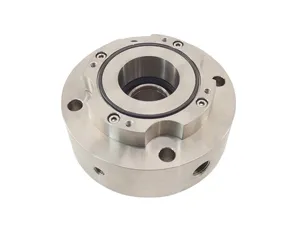
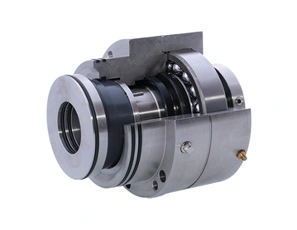
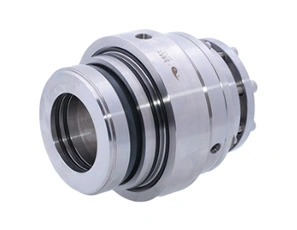
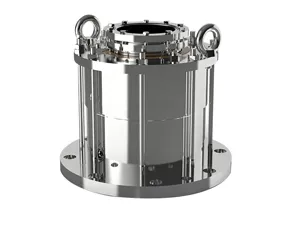
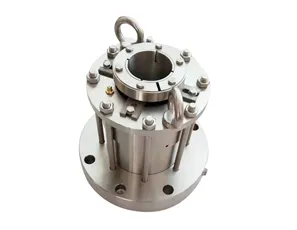
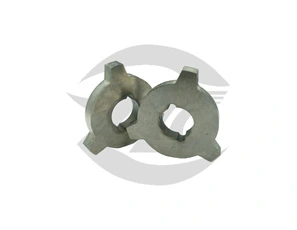
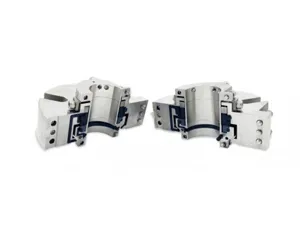
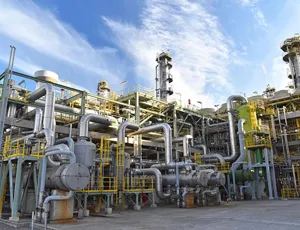
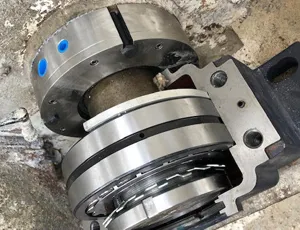
The primary function of a mechanical seal for an agitator, especially in industrial applications, is to ensure a secure and efficient containment of liquids and gases within the agitator. These agitator seal types play a crucial role in maintaining the integrity and performance of the processing system. Our sealing specialists help you choose the optimal agitator seal types for your specific mixing challenges. Here's a detailed look at the key functions of mechanical seals for agitators:
1. Prevent Leakage
The most critical function of an agitator mechanical seal is to prevent the leakage of steam, liquids, or gases. This is essential not only for maintaining operational efficiency and safety but also for ensuring that no product is lost during the process. Leakage prevention is particularly important in industries dealing with hazardous or expensive materials.
2. Maintain Pressure
Agitators, especially those used in industrial settings, often operate under high pressure. Mechanical seals for agitators help to maintain this pressure by providing a tight seal that prevents the escape of vapors or fluids. This is crucial for the proper processing of materials, whether it’s cooking in food production or chemical reactions in pharmaceutical manufacturing.
3. Withstand High Temperatures
In many industrial agitators, the internal temperatures can be extremely high, particularly in applications involving steam or hot liquids. Mechanical seals for agitators are designed to withstand these temperatures without degrading. This ensures that the seal maintains its integrity and continues to perform its function throughout the operational lifespan of the agitator.
4. Ensure Product Purity
In industries such as food and beverage or pharmaceuticals, product purity is paramount. Agitator mechanical seals help prevent the contamination of the agitator's contents by ensuring that external contaminants cannot enter the system. This is especially important in processes that require sterile or aseptic conditions.
5. Comply with Hygiene and Safety Standards
Mechanical agitator seal types used in agitators must often comply with various hygiene and safety standards, such as those set by the FDA or similar regulatory bodies worldwide. These standards ensure that the materials and agitator mechanical seal design are suitable for use in environments where there is a high standard of cleanliness and safety required.
6. Facilitate Maintenance and Cleaning
Modern mechanical seals for agitators are designed to be relatively easy to maintain and replace, which is crucial in industrial applications where downtime can be costly. Many Pressure Vessel Seals are also designed to withstand the rigorous cleaning processes required in food processing or pharmaceutical applications, ensuring that they can be cleaned without being damaged.
In summary, mechanical seals for agitators including the agitator shaft seal and single mechanical seal agitator, serve several vital functions, from preventing leaks and maintaining pressure to ensuring the purity and integrity of the agitator's contents. The agitator mechanical seal design is specifically engineered to meet the demands of various industrial applications, providing reliability, safety, and compliance with regulatory standards. Each mechanical seal for agitator is tailored to enhance performance, ensuring that the right agitator mechanical seal is employed for optimal results. These agitator seal types are critical components in ensuring the efficient, safe, and cost-effective operation of industrial agitators.
 English
  français
  Español
  العربية
  русский