Ball valves and gate valves are two types of valves commonly used in piping and plumbing systems to control the flow of fluids. Each valve type has distinct features, operational characteristics, and is suited for specific applications. Here’s a detailed comparison between ball valves and gate valves:
1. Design and Construction
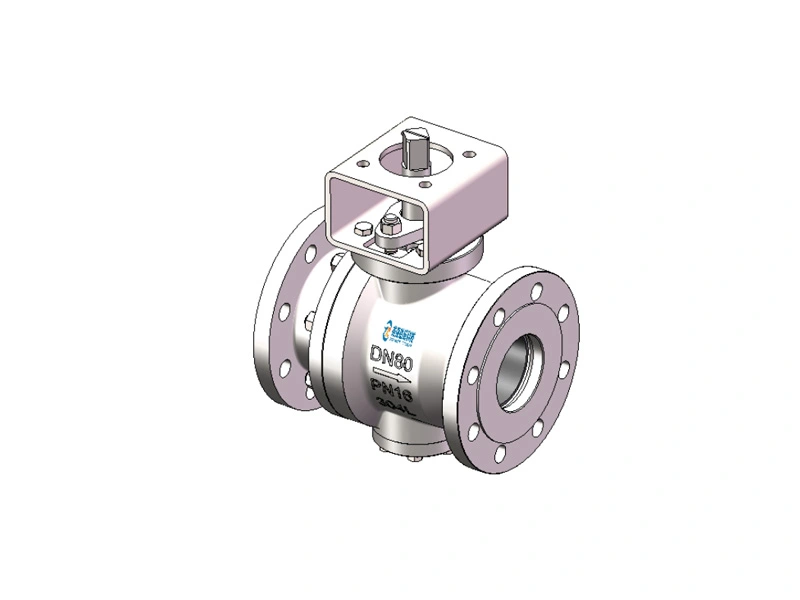
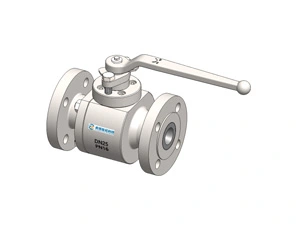
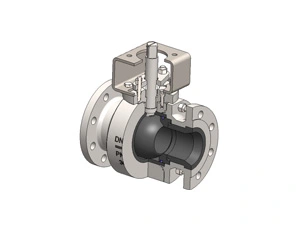
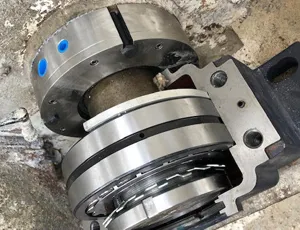
Contains a ball with a hole (or port) through its center. The ball is enclosed in a casing and can rotate 90 degrees. When the valve is open, the hole aligns with the flow, allowing the fluid to pass through. When closed, the ball is rotated so that the hole is perpendicular to the flow, blocking it.
Operated by a lever, making it easy to understand the valve's position at a glance (parallel to the pipe is open, perpendicular is closed).
Features a flat gate made of metal that slides up and down to control the flow of fluid. When the gate is lifted (valve is open), fluid flows freely. When the gate is lowered (valve is closed), it blocks the flow.
Operated by a handwheel or a gear mechanism that moves the gate up and down via a threaded stem, which requires multiple turns to open or close the valve fully.
2. Function and Operation
Provides a very tight seal and is typically very reliable with minimal maintenance required. It operates quickly with a quarter-turn (90-degree turn) which is ideal for applications needing fast shutoff.
Generally not recommended for throttling purposes as the partial exposure of the ball to the flow can cause erosion and uneven wear.
Best suited for on/off control but with a slower operation due to the multiple turns required to operate the valve. Not suitable for quick operations.
When fully open, gate valves offer no obstruction in the flow path, resulting in very low flow resistance.
3. Flow Characteristics
When open, offers very little resistance to flow, characterized by a full bore design that aligns with the pipeline diameter.
Suitable for applications requiring low pressure drop.
Also provides a full bore flow path when fully open, which minimizes pressure drop across the valve.
Not suitable for throttling as the vibrating gate can damage the valve seat and the gate itself when not fully opened or closed.
4. Applications
Commonly used in applications that require reliable and quick operation for both on/off control and some degree of throttling. Widely used in residential, commercial, and industrial applications for water, gas, and other fluids.
Typically used in large scale applications such as water distribution, oil and gas pipelines where a full open or full close position is mostly needed. Not ideal for frequent operations.
5. Maintenance and Durability
Requires minimal maintenance, has fewer moving parts, and is less prone to wear compared to gate valves.
Can handle muddy or viscous fluids better as the design allows for self-cleaning during operation.
Prone to corrosion and jamming if not operated regularly, especially in environments with scale-forming water or other fluids.
Requires more frequent maintenance and inspection to ensure the gate and seats are not damaged.
The choice between a ball valve and a gate valve depends largely on the application requirements such as the need for quick operation, the type of fluid handled, the frequency of operation, and maintenance capabilities. Ball valves are generally more versatile for both residential and industrial applications due to their robust operation and minimal maintenance needs, while gate valves are suited for applications where fluid flow does not need to be frequently adjusted and a full bore is required.
 English
  français
  Español
  العربية
  русский